No. 16Essay
50 Years of Apple
Paying homage to Apple for it's 50 years anniversary – a company that has had an outsized impact on how I think – by sharing 5 attributes I've tried to imbibe from them.
As Apple celebrated 50 years of existence this month, here are 5 things (amongst many more) that I have picked up and imbibed deeply in how I go about my work.
Look Forward, Not Back
Apple is famous for not celebrating the past too much (although 50 years is a valid exception!). Such celebrations are just are not worth the time. There is more of the future yet to be invented that there is no point to sit on the laurels of the past.
I’ve realised this is a useful personal mantra too. You can always get too attached to a project to the point where you think it’s your baby and you can’t let it go. Truth is, whether it was an absolute success or an absolute failure, it does not define you. Those are just a moment in time. Resetting to zero as soon as you can is always a super-power. It keeps you hungry for what’s next.
As I write this, I have just completed 5 years at Maersk. What I have done in 5 years is irrelevant, it’s now in the past. I reset to zero and start fresh again tomorrow.
Work Backwards to the Technology
One of the things I’ve always found is that you’ve got to start with the customer experience and work backwards to the technology. You can’t start with the technology and try to figure out where you’re going to try to sell it. And I’ve made this mistake probably more than anybody else in this room. And I got the scar tissue to prove it.
Such a simple and obvious idea. Equally hard to implement and scale across teams on a continuous basis because: on the one-hand you don’t want to get blind-sided and not allow room for new technological discoveries; and on the other hand, you always want to be able to tie something back to making life better for our users. I try my best to maintain the balance, and when I have a bias it’s towards the user experience.
Innovation Does Not Happen Overnight
From Daring Fireball:
This is how the designers and engineers at Apple roll: They roll.
They take something small, simple, and painstakingly well considered. They ruthlessly cut features to derive the absolute minimum core product they can start with. They polish those features to a shiny intensity. At an anticipated media event, Apple reveals this core product as its Next Big Thing, and explains — no, wait, it simply shows — how painstakingly thoughtful and well designed this core product is. The company releases the product for sale.
Then everyone goes back to Cupertino and rolls. As in, they start with a few tightly packed snowballs and then roll them in more snow to pick up mass until they’ve got a snowman. That’s how Apple builds its platforms. It’s a slow and steady process of continuous iterative improvement—so slow, in fact, that the process is easy to overlook if you’re observing it in real time. Only in hindsight is it obvious just how remarkable Apple’s platform development process is.
There’s a lot of hype and buzz created in the name of innovation and showing shiny, new things. They start off great, but soon the makers lose interest and go pursue the next shiny thing. Apple doesn’t typically work that way. They never seem to be in a hurry to show something that everyone else is doing. They take time and do it their own way. And once they bring that take to the market, pretty often you can trust them to keep iterating on it. And gradually it grows from strength and strength into perfection in a few years time. Being patient and focused for those few years is the key!
Every time we build something, I tell myself the same: Not worth celebrating yet, there’s a lot more to be done. Time to put the heads down again.
The Work is Your Brand
Mobile phones in the 90s used to look like this:
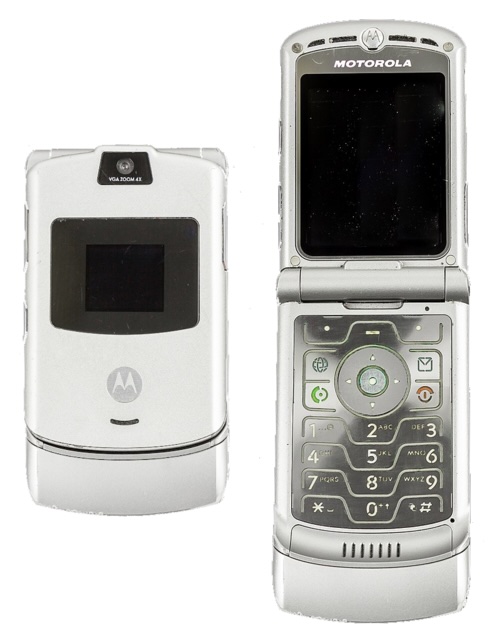
By © Raimond Spekking / CC BY-SA 4.0, via Wikimedia Commons

Soltys0, CC BY-SA 2.5, via Wikimedia Commons
Here’s how the iPhone looked when it launched:
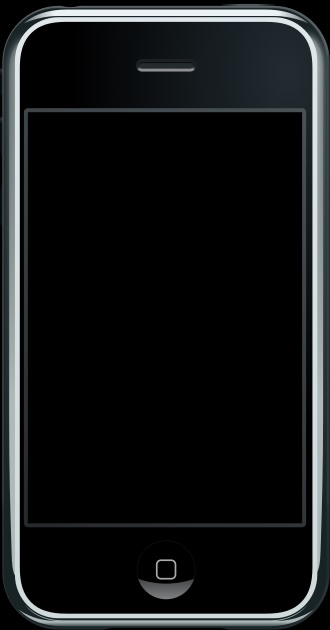
Rafael Fernandez, CC BY-SA 4.0, via Wikimedia Commons
Notice the difference. There is no word “Apple” front and center on the iPhone. All the focus instead is on the user experience. But everyone knows it is built by Apple.
When you build something insanely great, the product you build becomes the brand. It’s a handy reminder everyday in a world where I have sometimes seen feature announcements where the list of credits is longer than the description of the feature itself!
Team First and a Long Term View on People
And finally to the builders who make it all happen!
Lone geniuses can only go so far. Insanely great work can happen only when you have a bunch of people gelling together such that they force each other to punch above their weight. And to recruit such people and create that team culture, you need to invest deliberately and it takes time, sometimes longer than you expect. But once it starts bearing fruit, the magic unfolds. I have experienced this first-hand multiple times.
Nobody explains this as well as Steve Jobs himself.